
Bulk Without the Baggage: Zero-Waste Ways to Stock Grains, Legumes, and Spices

Today we’re diving into zero-waste bulk buying strategies for grains, legumes, and spices, turning shopping trips into mindful routines that save money, reduce packaging, and elevate flavor. Expect friendly guidance, practical checklists, and real-life stories that make smarter stocking feel simple and joyful. Bring your jars, questions, and curiosity; by the end, you’ll navigate bins, scoops, and storage like a pro while keeping leftovers, stale jars, and clutter out of your kitchen.

Start Smart: Planning Bulk Buys That Actually Get Used
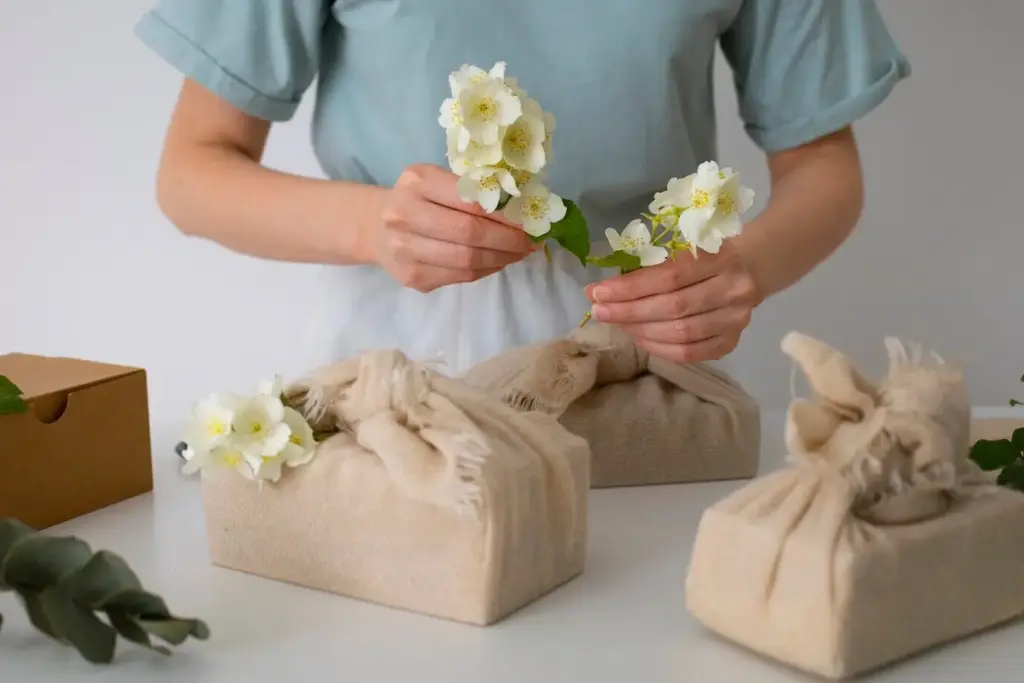
A little planning keeps good intentions from turning into dusty jars and forgotten bins. Begin with an honest pantry audit, then connect your favorite recipes to realistic weekly portions. Align shopping with your cooking rhythm, household size, and storage capacity. This gentle structure prevents overbuying, preserves freshness, and ensures your grains, legumes, and spices become delicious meals instead of shelf art.

Containers, Cleanliness, and Cross-Contamination Control

The right containers protect freshness, extend shelf life, and safeguard against moisture, odors, and pantry pests. Pair airtight glass with silicone gaskets, maintain a simple clean-as-you-decant ritual, and label thoughtfully. Keep allergens separate with distinct lids and scoops. This foundation supports flavor, safety, and clarity, helping you shop boldly while storing confidently with minimal risk and maximum taste on every shelf.

Store Strategies: Scoops, Scales, and Social Skills

Bulk sections thrive on cooperation. Knowing tare weights, reading freshness cues, and asking friendly questions helps you buy confidently while avoiding stale stock or mislabeled bins. Respect scoop etiquette, keep your containers tidy, and help staff keep stations clean. This shared care supports better turnover, sharper prices, and happier communities where waste drops and flavor rises with each refillable jar.

Grains, Legumes, and Spices: Specific Tactics That Save Money and Waste

Each category benefits from nuanced handling. Whole grains may prefer cool, airtight storage and occasional freezing; legumes reward soaking, sprouting, and thoughtful batch cooking; spices beg for small, frequent refills. Mastering these details protects flavor, improves nutrition, and streamlines costs. With a few repeatable habits, you’ll minimize misfires and turn everyday staples into dependable, delicious building blocks for breakfasts, soups, and dinners.

Grains: From Bulk Bin to Fluffy Bowl

Buy moderate quantities of brown rice, oats, and quinoa, storing extras in airtight jars away from heat. Freeze a portion for two days to deter pests. Note water ratios on labels and rinse as needed. Par-cook and freeze portions for quick meals. These steps prevent rancidity, reduce cooking stress, and keep textures consistent, giving you fluffy bowls without last-minute scrambling or accidental waste.

Legumes: Soak, Sprout, and Store Without Stress

Choose a couple of versatile staples—like brown lentils and chickpeas—and rotate them through soups, salads, and dips. Soak to reduce cook time, or sprout small batches for freshness and nutrition. Cook extra, then freeze flat in labeled bags. Keep dried beans in cool darkness. With predictable rhythms, you’ll enjoy creamy textures, reliable protein, and zero forgotten jars hiding behind cereal boxes.

Home Storage: Temperature, Light, and Air as Your Invisible Ingredients

Great storage multiplies value. Keep jars away from ovens and dishwashers, embrace opaque or amber containers for delicate spices, and prioritize airtight seals. Short freezer rests deter pests without chemicals. A gentle rotation ritual with front-and-center placement prevents neglect. When your environment supports ingredients, freshness lingers, flavor deepens, and your zero-waste commitment stays delightful rather than demanding or complicated.

Freezer As a Pest-Prevention Tool

Pop newly purchased grains and flours into the freezer for forty-eight hours to interrupt any unwelcome hitchhikers. Thaw fully in a sealed container to avoid condensation. This calm step needs no pesticides, preserves nutrition, and fits smoothly into shopping routines. Combined with airtight storage afterward, it delivers peace of mind and helps you keep every spoonful wholesome, aromatic, and beautifully reliable.

Decanting Rituals and Rotation Cues

Create a mini ritual: wipe shelves, decant thoughtfully, and label with purchase date and cooking ratio. Place newest jars behind older ones, and move favorites to eye level. These cues encourage steady use and discourage neglect. Pair the process with brewing tea or a podcast, transforming maintenance into a pleasant, restorative pause that supports consistent cooking and dependable pantry clarity every week.

Cooking, Sharing, and Community: Ensuring Nothing Goes to Waste

The best safeguard against waste is joyful use. Batch-cook base components, share extras with neighbors, and trade spices you rarely reach for. Host tasting nights to explore unfamiliar legumes, and document favorites for easy repeats. Invite friends to swap jars and tips. Community deepens commitment, making sustainable habits social, tasty, and reliably sticky through ordinary weeks and busy seasons alike.
Vupulokotizifereru
Privacy Overview

This website uses cookies so that we can provide you with the best user experience possible. Cookie information is stored in your browser and performs functions such as recognising you when you return to our website and helping our team to understand which sections of the website you find most interesting and useful.